
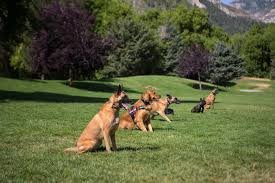

When it comes to raising a well-behaved dog, theory alone is not enough. Dogs must learn how to behave in everyday situations like neighborhood walks, public places, and around distractions. That is why real world dog training Phoenix has become one of the most effective approaches for dog owners who want reliable, long-term results.
Many dogs behave perfectly at home but ignore commands outside. This happens because they were trained in controlled environments without real-life distractions. Real-world training solves this problem by teaching dogs to listen and behave in the environments where they actually live and interact.
This approach builds obedience, confidence, and strong communication between dogs and their owners, leading to better behavior and a more enjoyable relationship.
What Is Real World Dog Training?
Real world dog training focuses on teaching dogs obedience and behavior skills in real-life environments rather than only in training facilities. Instead of practicing commands in quiet rooms, dogs learn in places like sidewalks, parks, neighborhoods, and public areas.
This type of training includes:
- Walking politely on a leash in busy areas
- Ignoring other dogs and people
- Staying calm in new environments
- Coming when called even with distractions
- Following commands in public places
The goal is to create a dog that listens anywhere, not just at home.
Why Real World Training Is Important
Many behavior problems occur outside the home, not inside it. Dogs may behave well in familiar environments but become distracted, excited, or reactive in new places. Training only at home does not prepare them for real-life situations.
Real world dog training helps dogs learn how to:
- Focus around distractions
- Remain calm in busy environments
- Respond to commands immediately
- Build confidence in new situations
- Develop good social behavior
This training prepares dogs for everyday life, not just training sessions.
Real World Dog Training Phoenix for Behavior Problems
This training method is especially effective for dogs with behavioral issues. Many common problems happen during walks or when dogs encounter new environments.
Real world dog training Phoenix can help with:
- Leash pulling
- Jumping on people
- Excessive barking
- Dog reactivity
- Poor recall
- Anxiety in public
- Lack of focus outdoors
By training in the environments where these problems happen, dogs learn how to behave appropriately in real situations.
How Real World Dog Training Works
Evaluation and Goal Setting
Training usually begins with an evaluation to understand the dog’s behavior, temperament, and training needs. Every dog is different, so training plans should be customized based on the dog and the owner’s goals.
Foundation Obedience
Before moving into busy environments, dogs must learn basic commands such as:
- Sit
- Stay
- Come
- Heel
- Place
- Down
These commands form the foundation for all advanced training.
Training in Real Environments
Once the dog understands basic commands, training moves into real-world environments such as:
- Neighborhood streets
- Parks
- Outdoor shopping areas
- Pet-friendly stores
- Walking trails
This helps dogs learn to follow commands even when distractions are present.
Owner Training
Owner involvement is a major part of real world dog training. Dog owners learn how to communicate clearly, reinforce commands, and maintain structure at home and in public.
Benefits of Real World Dog Training Phoenix
Reliable Obedience
Dogs learn to listen anywhere, not just at home. This makes everyday life much easier and less stressful for owners.
Better Behavior in Public
Dogs learn how to behave around people, other dogs, and distractions. This makes walks, outings, and social situations more enjoyable.
Increased Confidence
Dogs that are exposed to different environments during training become more confident and less fearful.
Stronger Bond Between Dog and Owner
Training improves communication and trust between dogs and their owners, leading to a stronger relationship.
Mental Stimulation
Training in different environments challenges dogs mentally, which helps reduce boredom and destructive behavior.
Training Tips for Dog Owners
Even with professional training, owners must continue practicing at home and in everyday life. Consistency is one of the most important parts of successful dog training.
Here are some helpful tips:
Be Consistent
Use the same commands and rules every day. If rules change, dogs become confused and training becomes less effective.
Practice in Different Locations
Practice commands in different places like your yard, sidewalk, park, or pet-friendly stores. This helps dogs learn that commands apply everywhere.
Reward Good Behavior
Reward calm and obedient behavior with praise, treats, or toys. Dogs repeat behaviors that are rewarded.
Stay Calm and Confident
Dogs respond best to calm and confident handlers. Avoid yelling or becoming frustrated during training.
Keep Training Sessions Short
Short training sessions are more effective than long ones. Practice for a few minutes at a time throughout the day.
Common Mistakes Dog Owners Make
Many dog owners accidentally slow down training progress by making common mistakes. Avoiding these mistakes can make training much more effective.
Common mistakes include:
- Only training inside the house
- Repeating commands too many times
- Inconsistent rules
- Not practicing around distractions
- Expecting instant results
- Not reinforcing training regularly
Training takes time, repetition, and consistency. Real-world training focuses on steady progress and long-term results.
Why Structure and Routine Matter
Dogs thrive when they have structure and clear expectations. Real world dog training includes teaching dogs routines and boundaries so they understand what is expected of them.
Structure can include:
- Scheduled walks
- Feeding routines
- Place training
- Doorway manners
- Calm behavior in the house
- Waiting politely for food or attention
When dogs understand structure, they become calmer and more confident because they know what to expect.
Long-Term Results of Real World Training
The biggest advantage of real world dog training Phoenix is that it produces long-term results. Instead of temporary obedience during training sessions, dogs learn behaviors that last for life.
Long-term results include:
- Better leash behavior
- Reliable recall
- Calm behavior in public
- Less anxiety and reactivity
- Better social behavior
- Improved focus and listening
- Stronger relationship between dog and owner
This type of training improves everyday life for both dogs and their owners.
Is Real World Dog Training Right for Your Dog?
Real world training is beneficial for almost every dog, including:
- Puppies
- Adult dogs
- Rescue dogs
- High-energy dogs
- Reactive dogs
- Dogs with obedience problems
- Dogs that behave well at home but not outside
Whether your dog needs basic obedience or behavior correction, real-world training helps create a well-behaved dog in everyday situations.
Final Thoughts on Real World Dog Training Phoenix
Rob’s Dog Training focuses on real world dog training Phoenix, preparing dogs for real-life situations rather than just controlled training environments. By teaching dogs to listen and behave in everyday settings, this approach creates reliable, confident, and well-behaved dogs.
Training in real environments helps dogs learn faster, behave better in public, and build stronger relationships with their owners. Instead of temporary results, real-world training creates long-term behavior changes that improve everyday life.
For dog owners who want a dog that listens on walks, behaves in public, and responds reliably in any environment, real-world training is one of the most effective approaches available.